
Las Vegas Wedding Planning Checklist: what to book & when
Wedding Planning Checklist: What to Book and When
Once you’re engaged, it’s incredibly easy to start booking things.
You find a venue you love. You fall down a photographer rabbit hole. Your friend recommends a florist. You start saving dresses. Suddenly, you have a venue, photographer, and a handful of other vendors booked, but you haven’t quite figured out how all of those decisions fit together.
This happens all the time.
And while there’s nothing wrong with being excited and getting started, the order in which you make your wedding decisions can have a significant impact on the rest of your planning process.
For couples planning a full-service wedding, especially a destination wedding in Las Vegas, we recommend bringing your planner in before you start booking vendors. It gives you someone looking at the entire picture before individual decisions start shaping the rest of the wedding.
Here’s the general order we recommend.
1. Hire your planner first
This is the one we feel strongly about.
We know you’re excited. You’ve probably had a Pinterest board for three years and the second you got engaged, you were ready to start making things happen. We get it.
But before you sign contracts with your venue or other vendors, bring in your full-service planner.
Your planner can help you determine what kind of wedding you’re actually planning, build a realistic budget, talk through guest count, identify the right venues, and begin creating the overall vision before you start making individual commitments.
It can also save you from some expensive mistakes.
We’ve seen couples book a venue before realizing it doesn’t accommodate their guest count comfortably, commit to vendors who aren’t the right fit for the overall vision, or spend a significant portion of their budget on one category before realizing there are several other expenses they hadn’t accounted for.
None of those decisions are necessarily wrong. They just become much harder to change once you’ve signed a contract and sent a deposit.
2. Establish your guest count and budget
You don’t need a final guest list on day one, but you should have a realistic idea of how many people you’re inviting.
Guest count affects almost everything: venue options, catering, bar, rentals, transportation, stationery, floral quantities, entertainment, and the overall guest experience.
Your budget matters just as much.
A $100,000 wedding for 75 guests can look very different from a $100,000 wedding for 150. Before you start choosing vendors, you want to understand what your overall investment needs to accomplish and where you want to prioritize it.
Your planner can help you build that framework before you start spending.
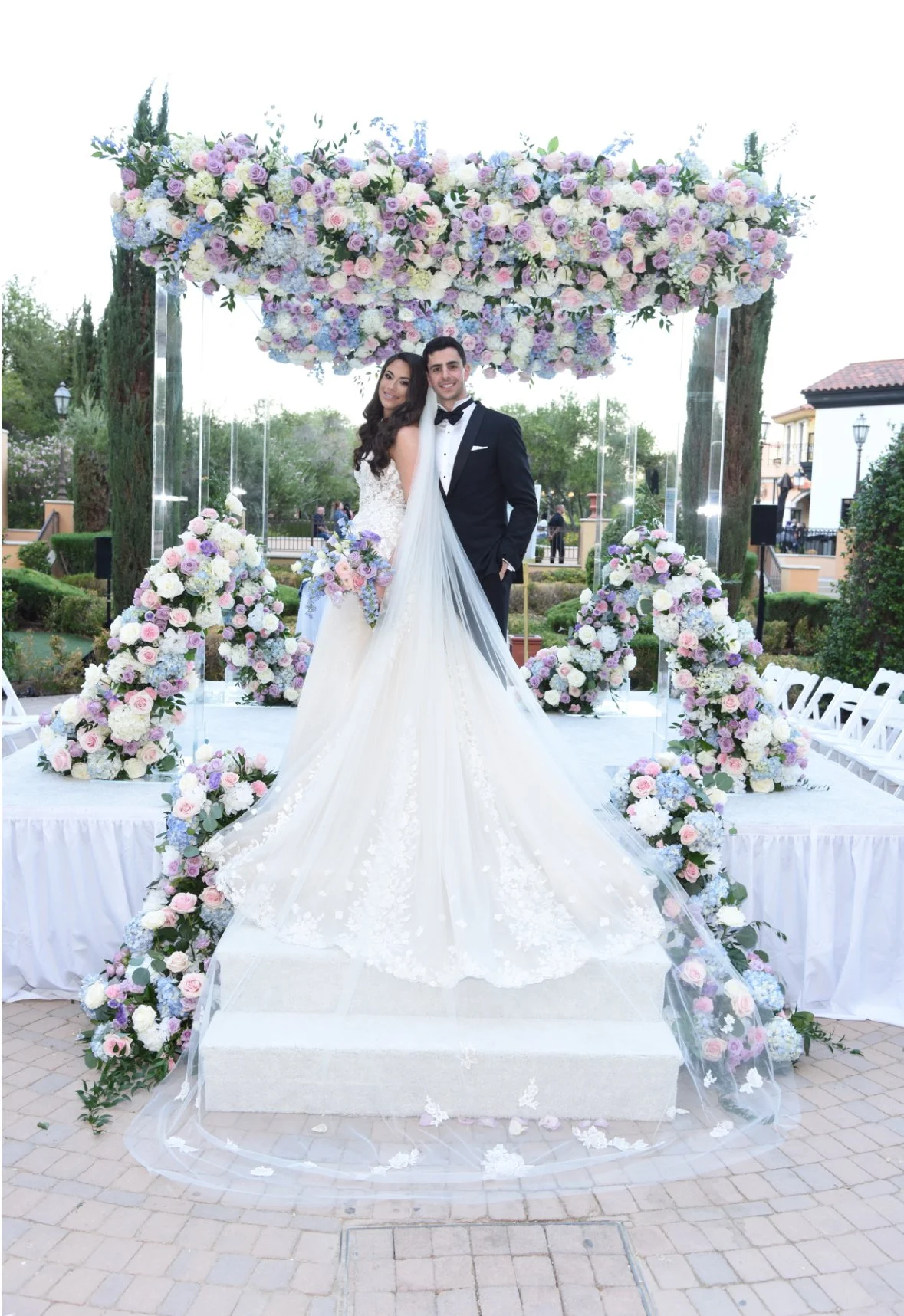
3. Choose your venue
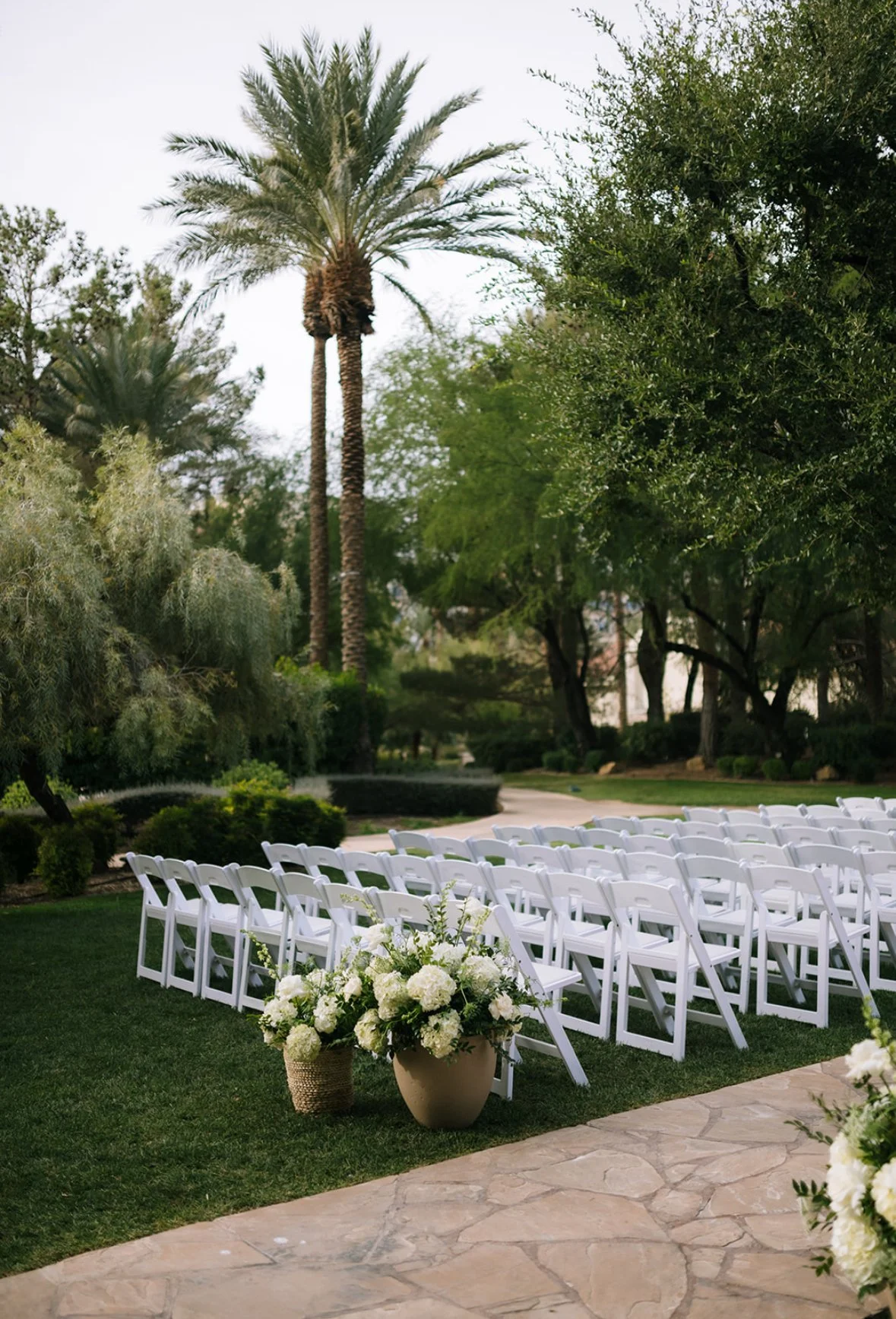
Once you understand your guest count, budget, and overall vision, it’s time to find the right venue.
This is where having a planner can be particularly helpful for a destination wedding. You may be researching venues online from another state, looking at beautiful photos without knowing what the space is actually like during an event or what additional costs come with it.
A planner who knows the market can help you look beyond the pretty pictures and evaluate the venue based on your actual wedding.
We’re looking at capacity, layout, catering requirements, food and beverage minimums, rental restrictions, load-in, rain plans, guest flow, timing, and how the space will work with the experience you want to create.
4. Develop the design and guest experience
Once the major pieces are in place, the details can start taking shape.
This is where your wedding becomes distinctly yours.
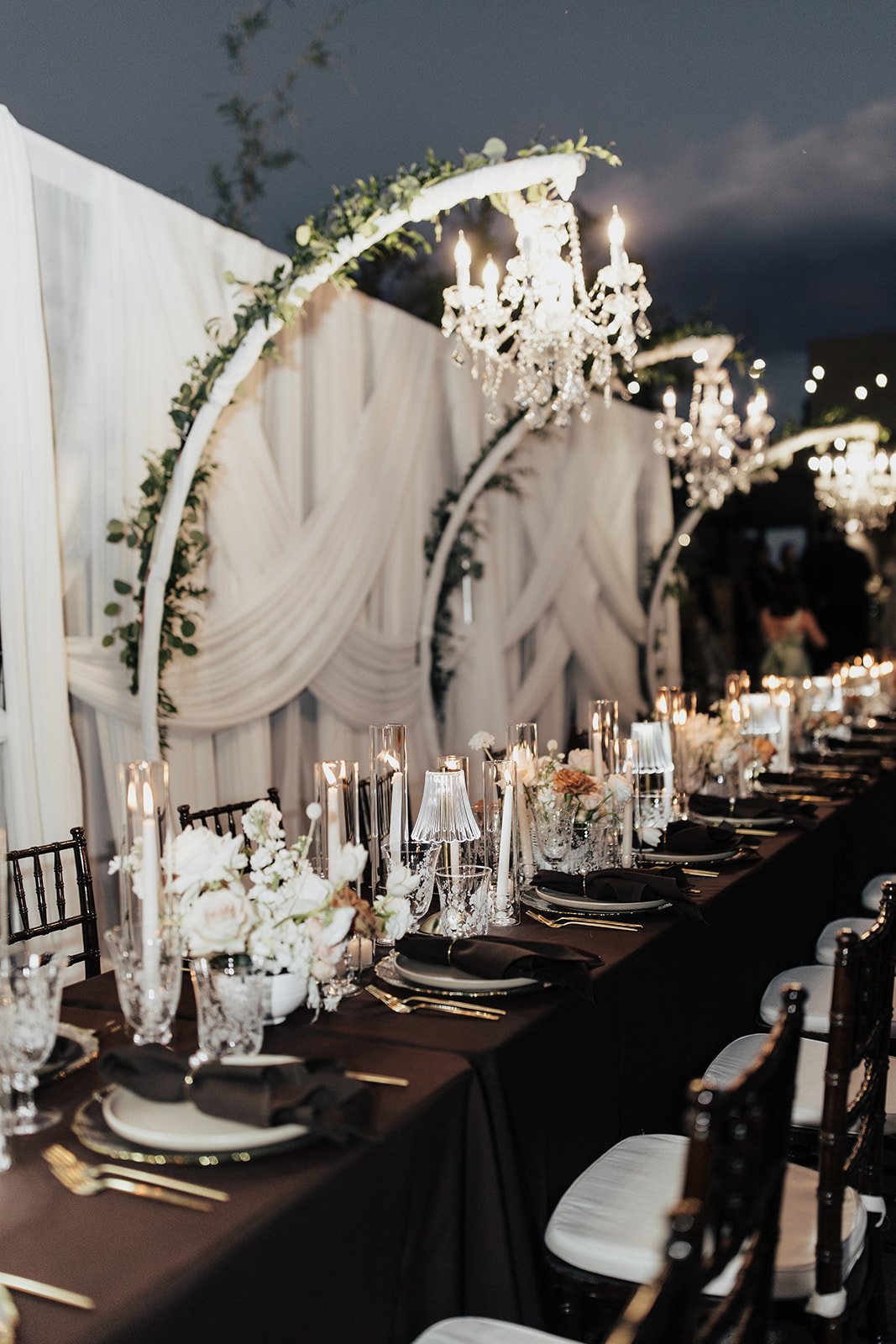
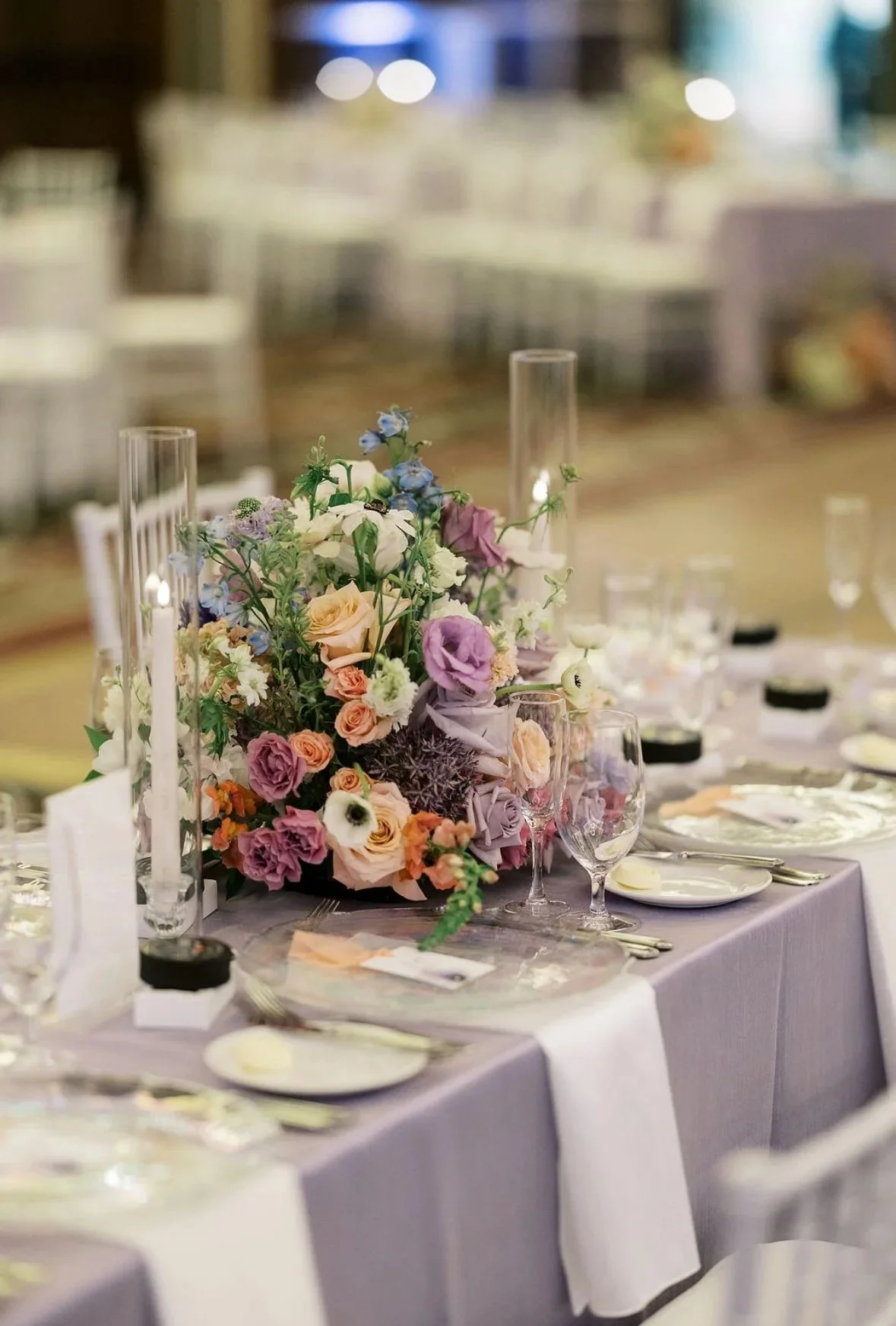
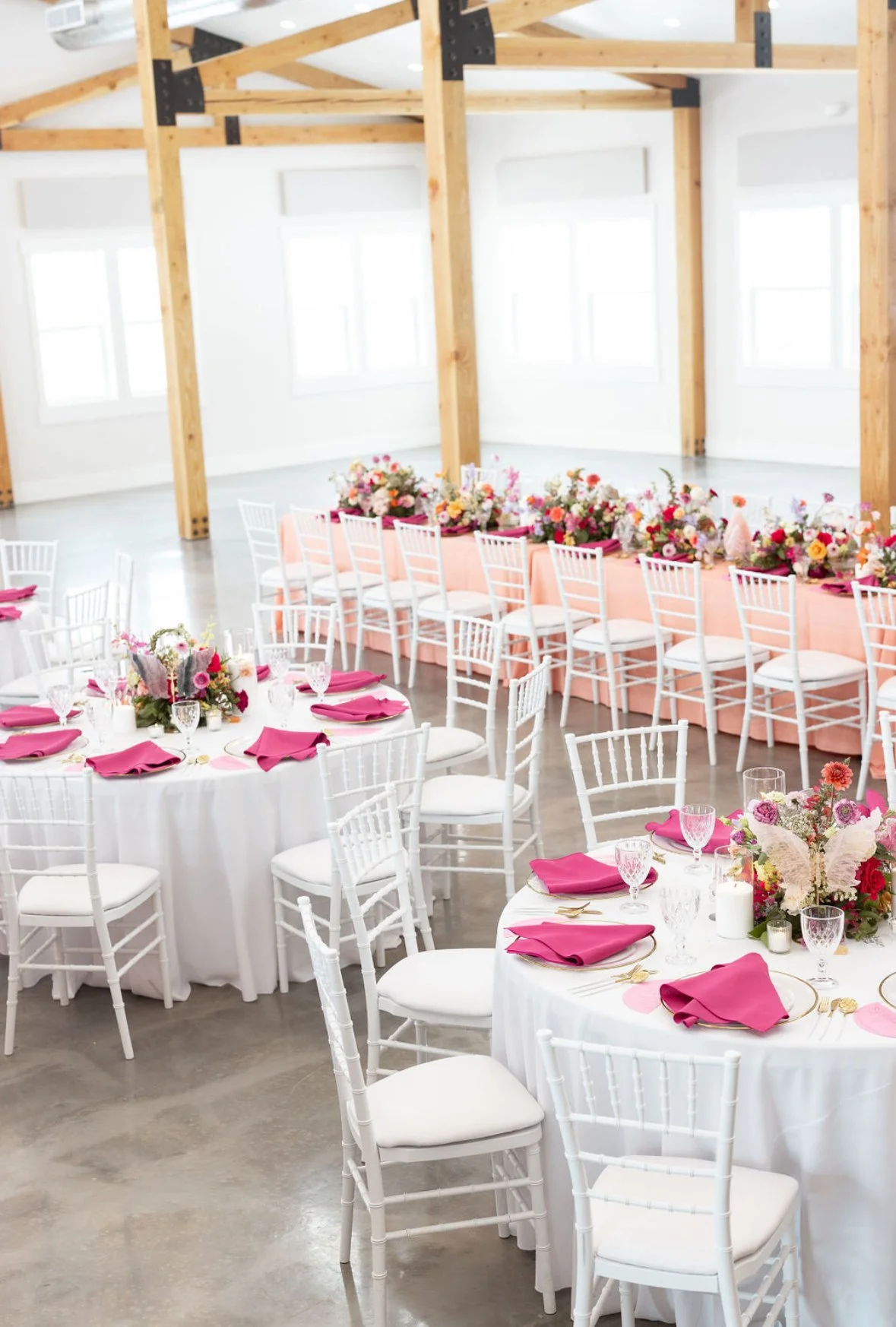
Your planner and design team can develop the color palette, floral direction, rentals, tabletop, lighting, stationery, signage, entertainment, guest experiences, and all the little details that make the celebration feel personal.
This is also the fun part of the process where you can start asking, What would make this feel really special for us?
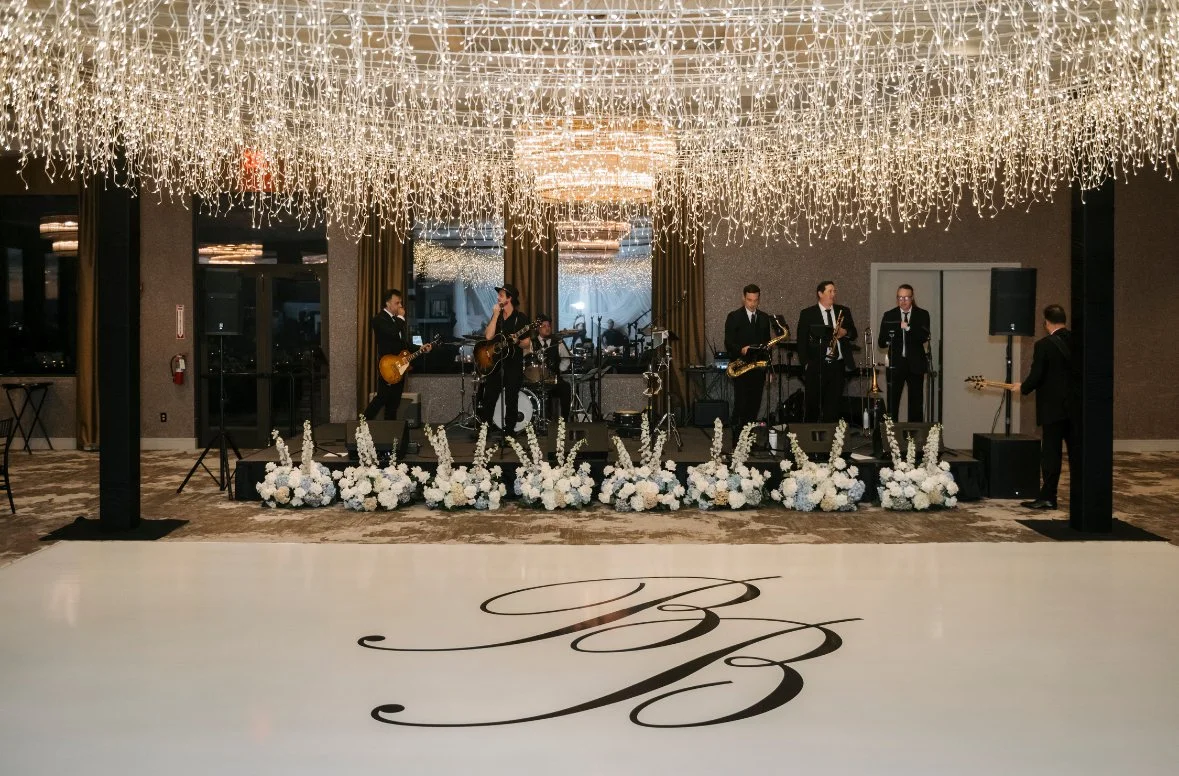
Maybe it’s an incredible welcome party. Maybe it’s a killer band. Maybe it’s an unexpected late-night food experience or a reception design that completely transforms the room.
The goal is to make thoughtful decisions rather than simply adding more things.
5. Book your core vendor team
With your venue secured & a design plan in place, you can start building the team that will bring the wedding to life.
Typically, this includes your photographer, videographer, caterer if they are not venue-provided, florist or floral designer, entertainment, and other major production vendors.
Availability matters here, particularly if you’re getting married during a popular Las Vegas wedding weekend. Your planner can help you prioritize which vendors need to be booked first based on your date, vision, and budget.
This is also where vendor curation becomes important. You don’t just want talented individual vendors. You want a team that works well together and understands the kind of wedding you’re creating.
6. Finalize the details
As the wedding gets closer, the planning shifts from big-picture decisions to execution.
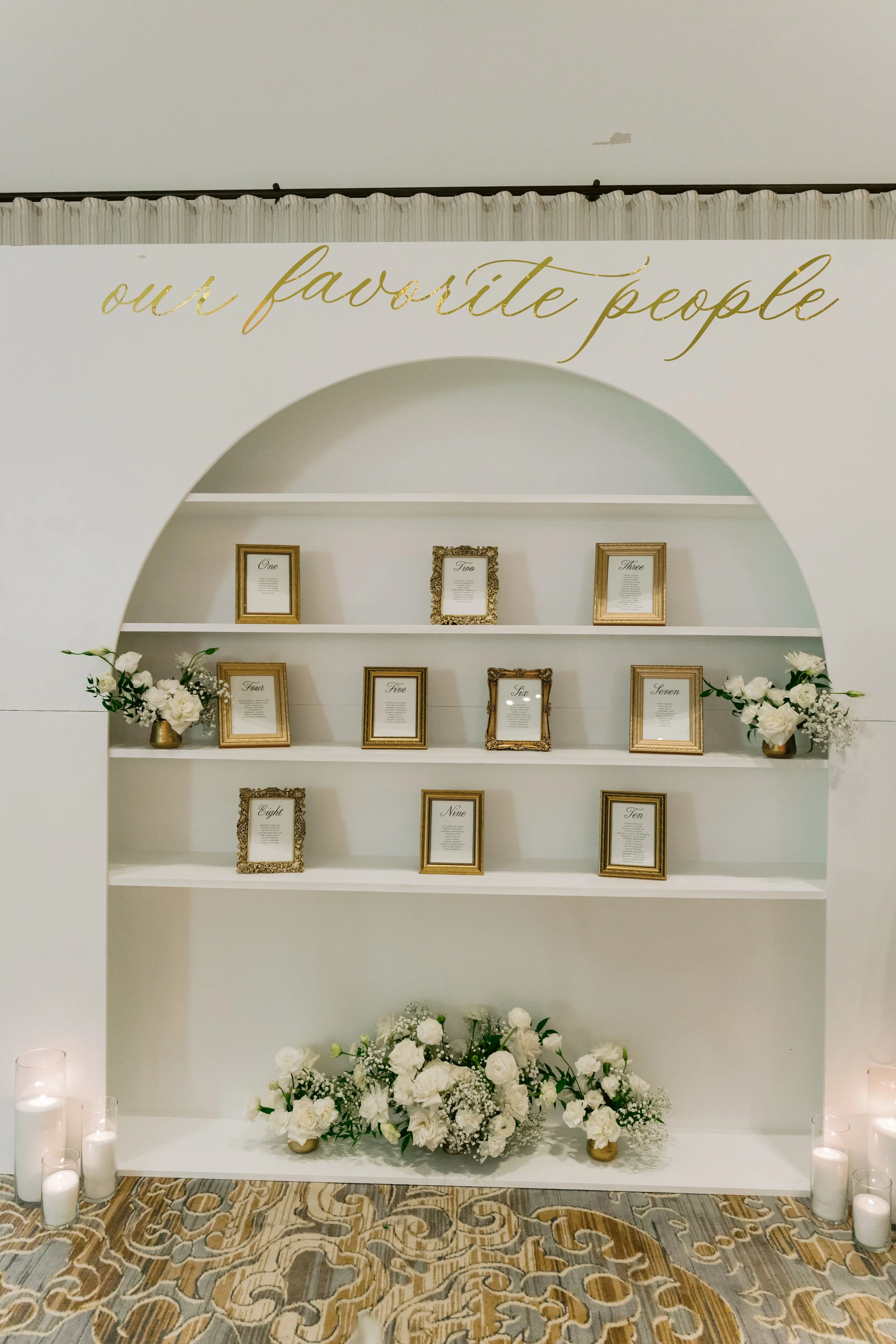
Final guest counts, seating arrangements, transportation, menus, timelines, stationery, rentals, vendor confirmations, ceremony details, hotel information, and countless other pieces all need to come together.
This is where having someone who has been involved from the beginning makes a huge difference. Your planner already understands the decisions behind the details and can make sure everything still works together.
7. Hand over the wedding day
By the time your wedding weekend arrives, you should not be managing your own vendors.
Your planner should have the timeline, vendor contacts, floor plans, production schedule, setup details, emergency kit, and approximately one million other things you don’t want to think about while you’re getting married.
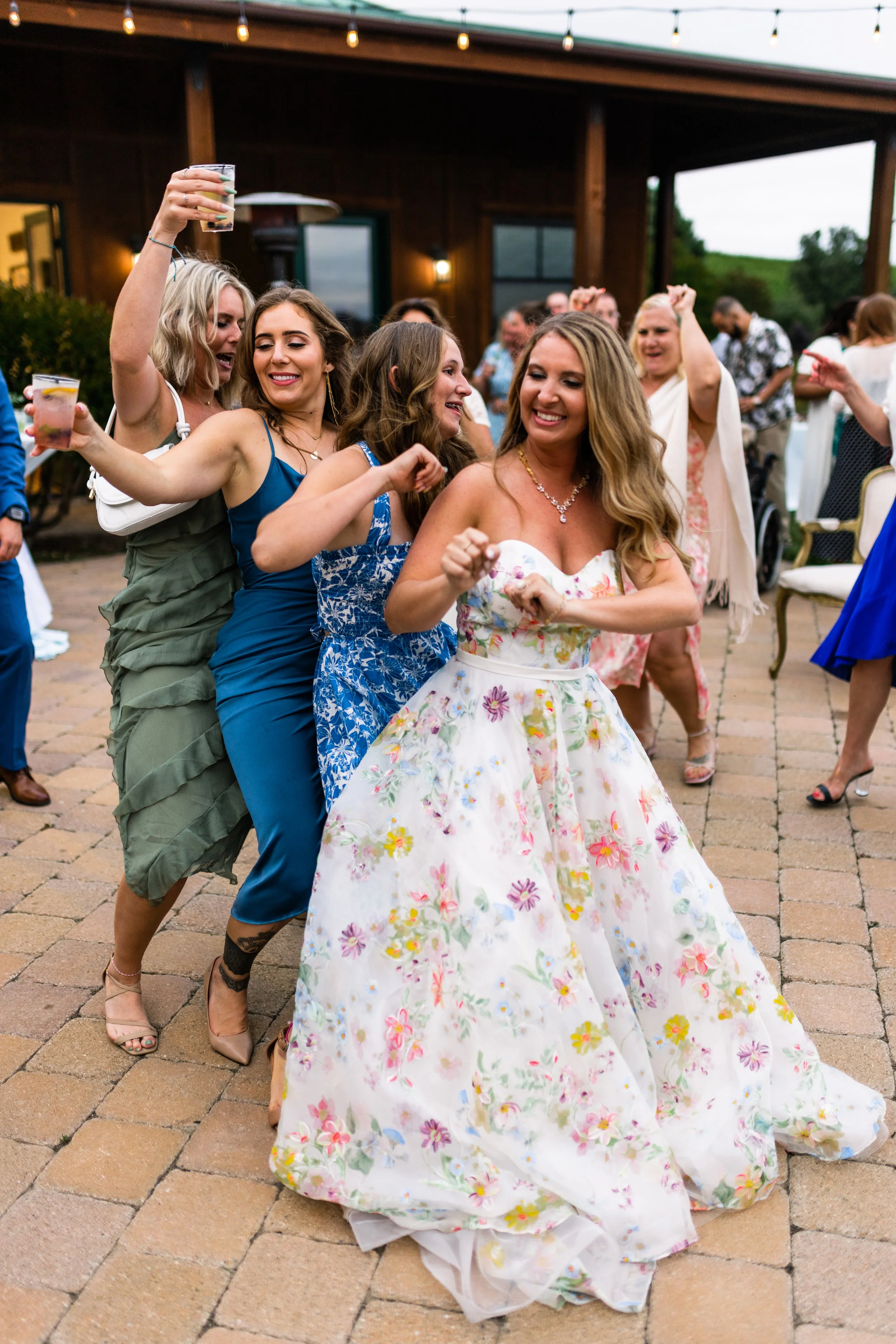
You should be with your people.
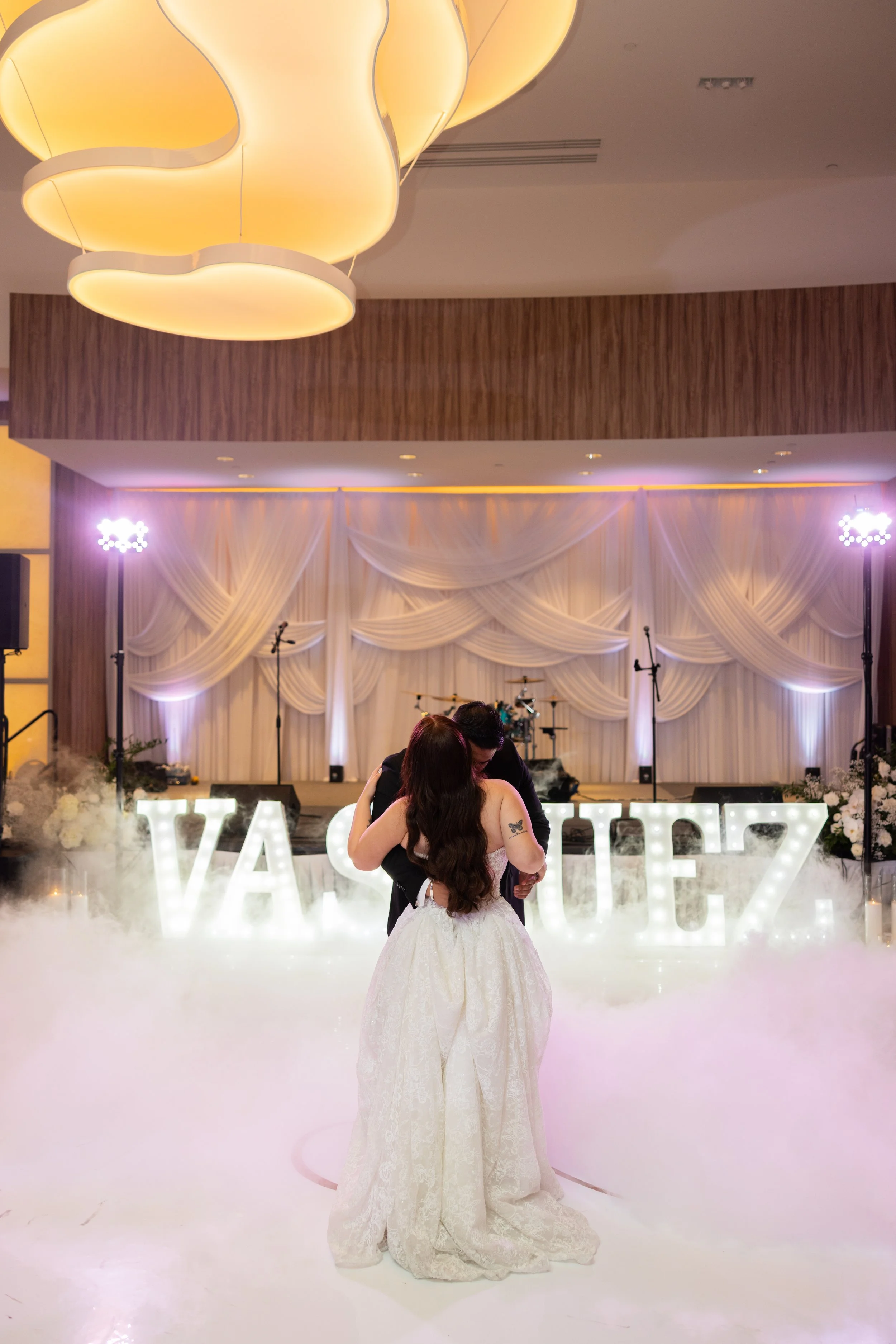
You should be eating the food you spent months choosing, drinking the cocktail you obsessed over, dancing with your friends, and actually noticing the room you worked so hard to create.
That is the point of full-service planning.
One last piece of advice
If you’re planning a full-service wedding, hire your planner before you start booking.
We know the temptation is real. You found the venue. You love the photographer. You’re ready to put down a deposit and make it official.
But bringing your planner in first gives you someone who can look at every decision through the lens of the entire wedding. It can help you avoid costly missteps, make better use of your budget, and build a vendor team that works together from the beginning.
You only get one shot at planning this wedding. Give yourself the opportunity to do it with a plan.